Why Sports Create Such Powerful Emotions
Sports can turn an ordinary afternoon into a sequence of excitement, tension, frustration, relief, and celebration. A match may last only a few hours, but the emotions surrounding it can stay with supporters long after the final whistle, wicket, point, or play.
Part of that intensity comes from uncertainty. Fans rarely know exactly what will happen next, and a single mistake, comeback, controversial decision, or moment of brilliance can completely change the direction of a contest.
Supporters also build memories around important sporting moments. A dramatic victory may become connected to the people they watched it with, the place they were in, or a particular period of their lives. Painful defeats can remain just as memorable.
This combination of uncertainty, personal memory, competition, and shared experience helps explain why sports can produce emotional reactions that seem much larger than the event itself.
Why Fans Become So Attached To Their Teams
Supporting a team often becomes more than simply preferring one side to win. Over time, fans learn the players, remember previous seasons, celebrate famous victories, suffer through difficult periods, and develop routines around watching important matches.
Family, friends, hometown connections, childhood memories, and community traditions can all influence which team someone supports. In many cases, that loyalty begins long before a fan fully understands the sport.
The longer people follow a team, the more history they accumulate with it. A supporter may remember where they were during a championship victory, a devastating defeat, an unexpected comeback, or a season that almost ended perfectly.
That history makes changing teams feel unnatural to many supporters. Even when results are disappointing, the emotional connection remains because the relationship is built on years of memories rather than a single score.
The Psychology Behind Match-Day Panic
Fans often experience the most tension when the result is still uncertain. A comfortable lead can suddenly disappear, a final over can change a cricket match, and one late attack can transform the mood of an entire football crowd.
Uncertainty keeps attention locked on the action. When every moment could affect the final result, supporters become more sensitive to mistakes, missed chances, referee decisions, tactical choices, and changes in momentum.
The body can react to these moments even though the fan is not physically participating in the match. Increased heart rate, nervous movement, shouting at the screen, and an inability to sit still are familiar parts of high-pressure sports viewing.
This tension is one reason close contests are remembered so clearly. Fans may not remember every ordinary victory, but they often remember exactly how they felt during the final moments of a match that could have gone either way.
Why Every Fan Thinks They Could Be The Coach
Watching sports naturally encourages people to make decisions from the sidelines. Fans question substitutions, batting orders, formations, defensive choices, player selections, timeouts, and almost every tactical decision that affects the game.
From the viewer's perspective, mistakes can appear obvious after they happen. A strategy that fails may seem like it was always destined to fail, even though the actual decision had to be made under pressure and with incomplete information.
Sports discussions thrive on these disagreements. Two supporters can watch the same match and reach completely different conclusions about who played well, which decision changed the result, or what the team should do next.
The imaginary coach inside every fan is part of what makes sports so interactive. Supporters do not simply watch events unfold; they constantly predict, judge, debate, and imagine how they would handle the same situation.
Why Painful Losses Are Hard To Forget
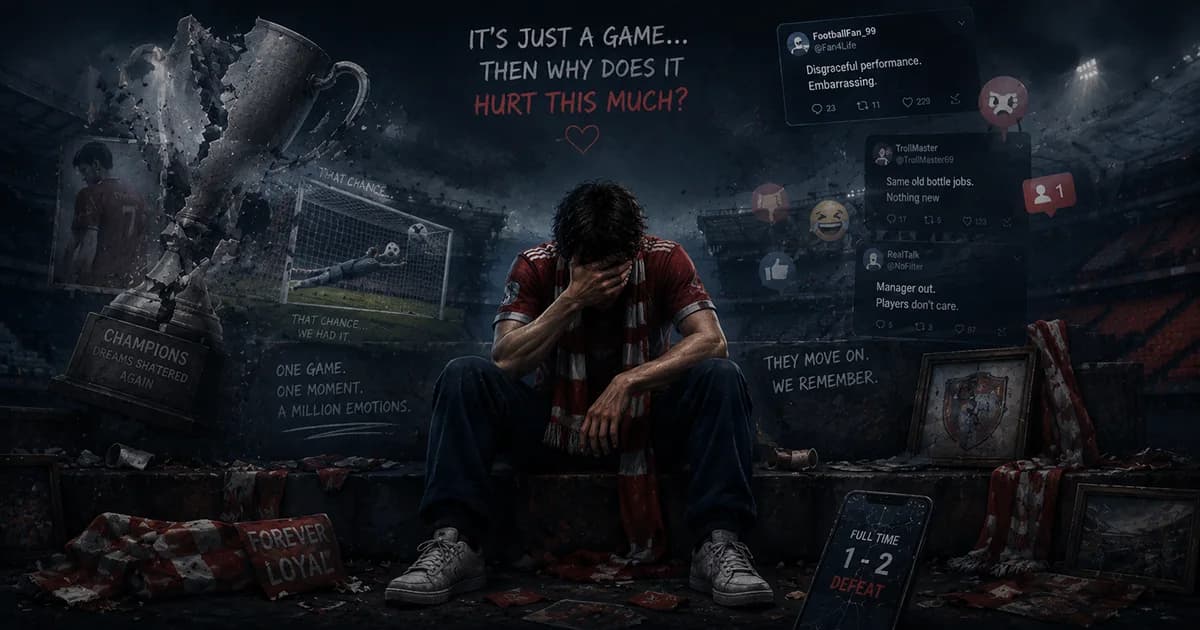
Some defeats disappear from memory quickly, while others become permanent parts of a fan's sporting history. The most painful losses usually involve hope: a strong lead, a promising season, a missed opportunity, or the feeling that victory was only moments away.
Late defeats can be especially difficult because supporters have already started imagining the celebration. When the result changes suddenly, excitement is replaced by disbelief before there is time to adjust.
Fans often replay these moments mentally and focus on the small events that might have changed everything. A missed chance, dropped catch, defensive mistake, bad decision, or few seconds of hesitation can become the center of years of discussion.
Yet painful moments also strengthen sports culture. Shared disappointment creates stories, jokes, debates, and memories that supporters continue discussing long after the match itself has ended.
Why Fans Keep Watching Even When It Hurts
Supporting a team does not guarantee happiness. Every fan eventually experiences poor seasons, frustrating performances, unexpected defeats, and moments when watching the next match seems like a terrible idea.
Yet most supporters return. Hope resets surprisingly quickly in sports. A new player, a tactical change, an upcoming rivalry, or simply the next match can create the feeling that things might finally be different.
Watching also becomes part of a routine and a community. Fans talk before matches, react during the action, discuss results afterward, and share the experience with people who understand the same victories and frustrations.
That combination of loyalty, habit, community, and renewed hope explains why supporters continue watching through difficult periods. The possibility of one unforgettable victory is often enough to make all the previous disappointment feel worth enduring.
Frequently Asked Questions
Why do sports fans become so emotional?
Sports combine uncertainty, competition, personal memories, team loyalty, and shared experiences, which can make victories and defeats feel emotionally significant.
Why do fans take losses personally?
Long-term supporters often connect a team with their identity, memories, family, friends, or community, so important defeats can feel more personal than an ordinary entertainment result.
Why are close matches so stressful to watch?
When the result remains uncertain, every mistake and opportunity feels more important. This keeps fans highly focused and can create strong physical and emotional reactions.
Why do sports fans always criticize coaches?
Watching from outside encourages fans to judge tactics and imagine alternative decisions. Because viewers can analyze outcomes after they happen, unsuccessful choices often appear more obvious in hindsight.
Why are last-minute defeats so painful?
Late defeats are difficult because fans have often already imagined victory. A sudden change in the result replaces expectation and excitement with disappointment almost immediately.
Why do people keep supporting losing teams?
Team loyalty is often built through years of memories, community, tradition, and personal attachment. Supporters also continue because each new match creates another chance for improvement or an unexpected victory.
Why do fans keep watching sports after painful losses?
Hope, habit, community, rivalry, and the possibility of future success encourage supporters to return even after disappointing results.