Why Movies Stay With Us After The Credits
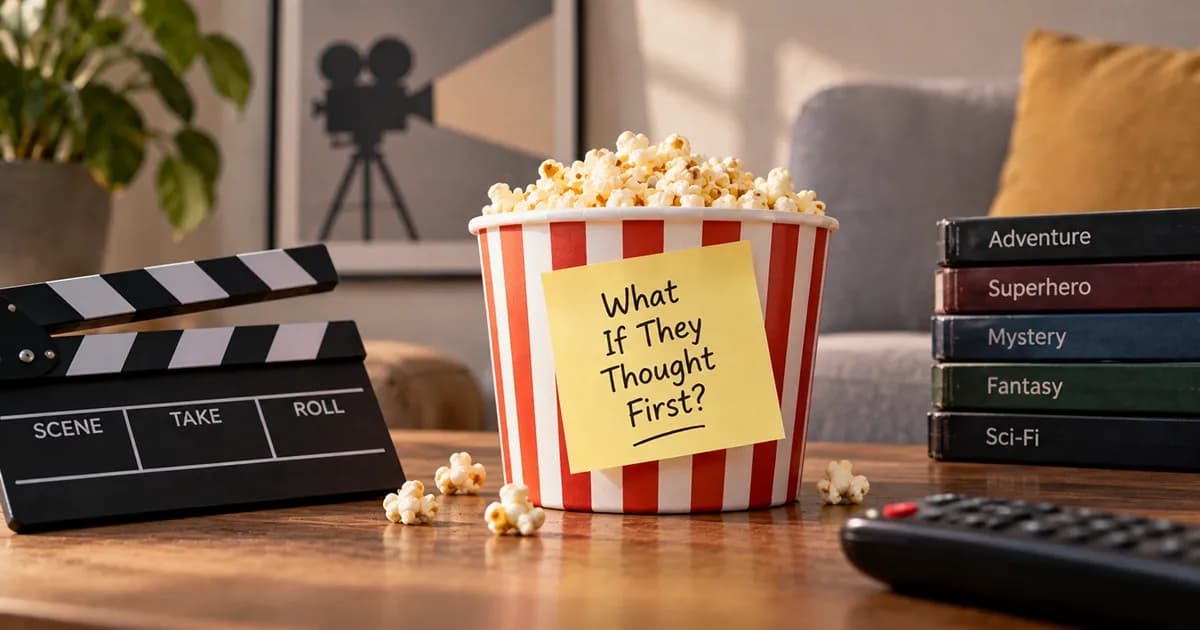
Some movies end when the credits begin, while others continue living in the audience's mind for days, years, or even decades. A memorable story can leave viewers thinking about a character's decision, questioning an ending, replaying a powerful scene, or wondering what might have happened if one moment had gone differently.
Entertainment becomes especially memorable when it creates an emotional connection. Viewers may recognize part of themselves in a character, connect a movie with a particular period of their lives, or understand a story differently when they return to it years later.
The most lasting movies are not always the biggest productions or the most critically acclaimed. Sometimes a simple scene, unusual idea, memorable character, or unexpected ending is enough to make a story impossible to forget.
This is why people continue discussing movies long after watching them. Great entertainment gives audiences something to react to, reinterpret, debate, and carry into future conversations.
Why We Love Imagining Different Movie Endings
A movie ending can completely change how viewers remember the entire story. When an ending feels satisfying, it can strengthen everything that came before it. When it feels frustrating, rushed, confusing, or unfair, audiences immediately begin imagining how the story could have ended differently.
Alternative endings are fascinating because they allow viewers to explore choices the original story did not make. A character might survive, a villain might win, a misunderstanding might be avoided, or one small decision might completely change the final outcome.
These discussions reveal how actively audiences engage with stories. Viewers are not always satisfied with simply accepting what happens on screen. They analyze character motivations, identify missed opportunities, and create their own versions of events.
The question of how a movie should have ended remains entertaining because there is rarely one perfect answer. Different viewers value different characters and themes, which means one person's ideal ending may be another person's worst possible conclusion.
The Strange Logic Of Horror Movies
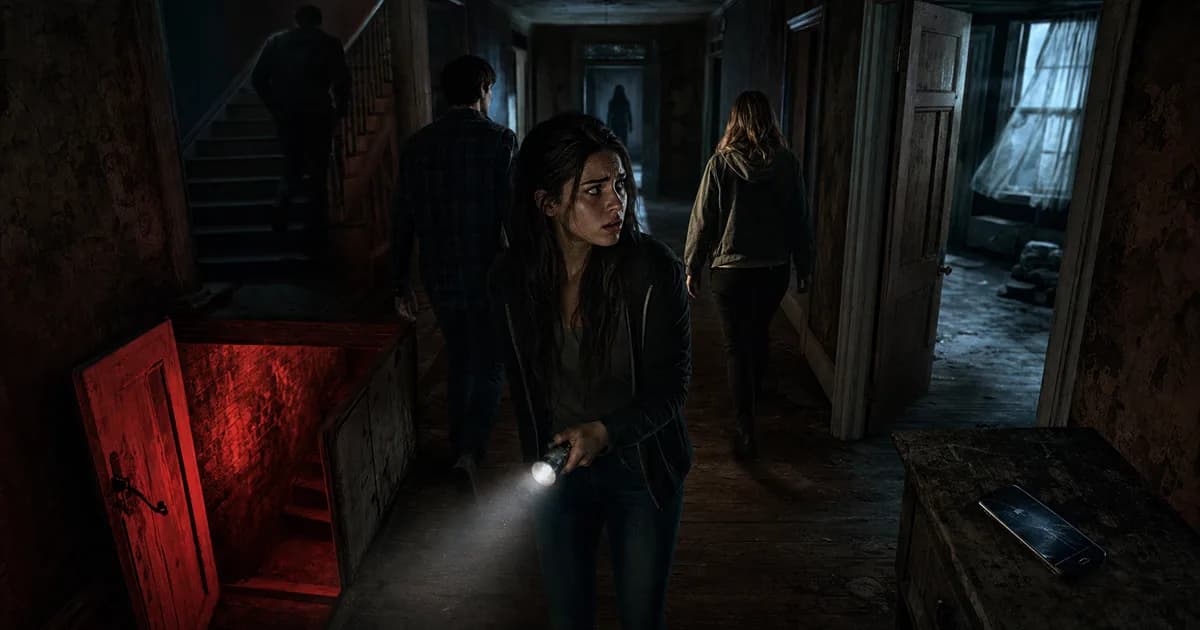
Horror movies create tension by placing characters in situations where every decision can have dangerous consequences. Unfortunately for the characters, audiences often have a much clearer view of the danger than the people trapped inside the story.
Viewers quickly recognize familiar warning signs. The unexplained noise should probably be ignored, the dark basement should remain unexplored, the group should not separate, and the suspicious stranger may not deserve complete trust.
Yet questionable decisions are part of what makes horror entertaining. Audiences enjoy predicting who will survive, identifying obvious mistakes, and imagining how they would behave in the same situation.
The gap between what viewers know and what characters understand creates both fear and humor. It allows people to feel nervous about what is coming while also confidently believing they would make much better survival decisions.
Why Fictional Worlds Are Fun To Bring Into Real Life
Some of the most entertaining fictional questions begin by taking extraordinary characters and placing them in completely ordinary situations. A superhero may be capable of saving the world, but imagining that same character dealing with a normal job, difficult customer, office meeting, or daily commute creates a completely different kind of entertainment.
These scenarios work because audiences already understand the characters. Their powers, personalities, weaknesses, and habits become even funnier when they collide with situations that were never designed for them.
The same idea applies to many fictional worlds. Viewers enjoy imagining how characters would use their abilities in everyday life, which fictional person would make the worst coworker, or how an ordinary problem might be solved in an unnecessarily dramatic way.
Bringing fiction into familiar situations gives audiences a new way to explore characters they already know while creating possibilities that the original stories may never show.
Why Some Movies Hit Differently Over Time
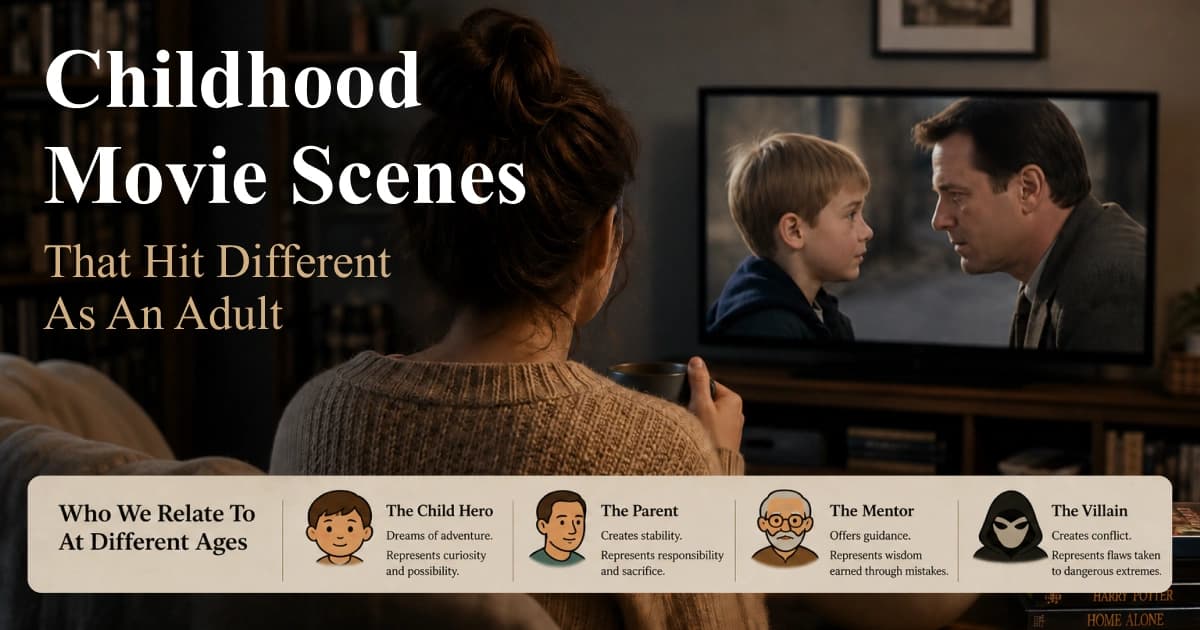
A movie can feel completely different when watched at another stage of life. A story that once seemed simple may later reveal emotional details, character motivations, or themes that were easy to miss during an earlier viewing.
Experience changes perspective. As people grow older, their understanding of friendship, family, ambition, failure, responsibility, and loss can change, which affects how they respond to the same characters and events.
Nostalgia also plays an important role. Rewatching a familiar movie can bring back memories of the first time it was seen, the people connected with that period, or an earlier version of the viewer themselves.
This ability to change without changing is one of the most interesting qualities of entertainment. The movie remains the same, but the person watching it does not, allowing familiar stories to gain new meaning over time.
Why Fictional Survival Scenarios Are So Addictive
People love asking how they would survive impossible situations. Zombie outbreaks, mysterious disasters, dangerous creatures, and collapsing fictional worlds turn ordinary choices into questions of survival.
These scenarios are entertaining because they encourage planning without real danger. People can debate where they would hide, what supplies they would collect, who they would trust, and which decisions would keep them alive the longest.
Survival discussions also reveal personality differences. Some people immediately create detailed plans, others depend on teamwork, some trust their instincts, and others confidently make decisions that would probably end the story very quickly.
The appeal comes from imagining yourself inside the fiction. Instead of only watching characters face danger, audiences get to test their own judgment and decide whether they would be the survivor, the leader, the unexpected hero, or the person who ignores every obvious warning.
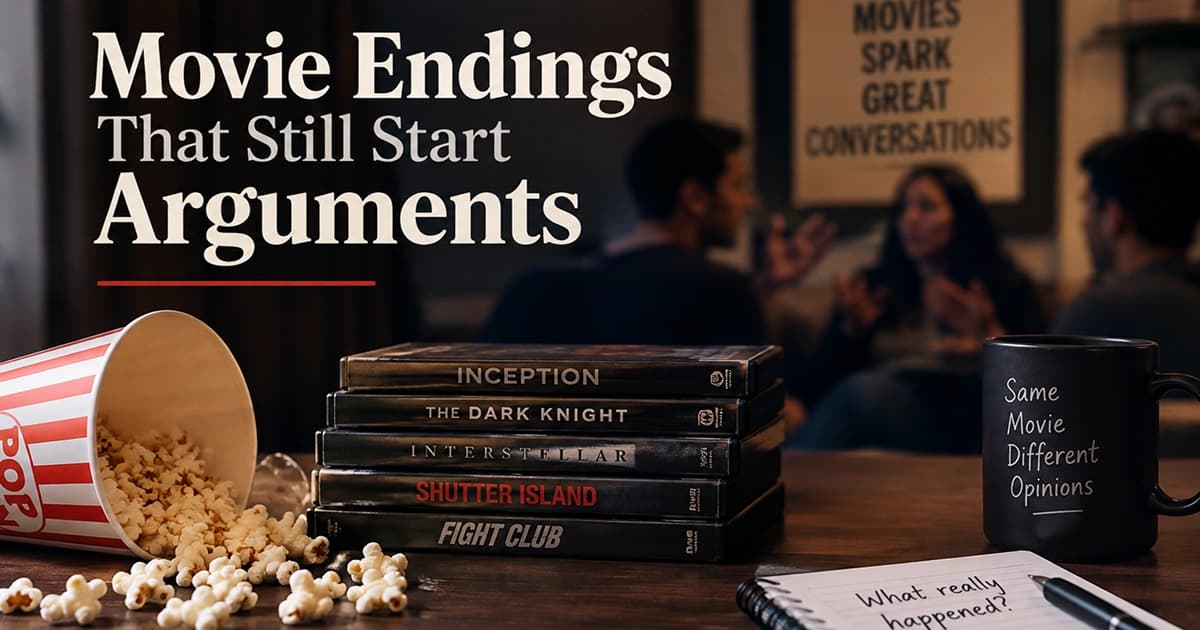
Why Movies Start Arguments That Never Really End
Entertainment discussions become especially lively when there is no single correct answer. Viewers debate the best character, the strongest superhero, the most overrated movie, the meaning of an ending, and whether a controversial decision improved or ruined a story.
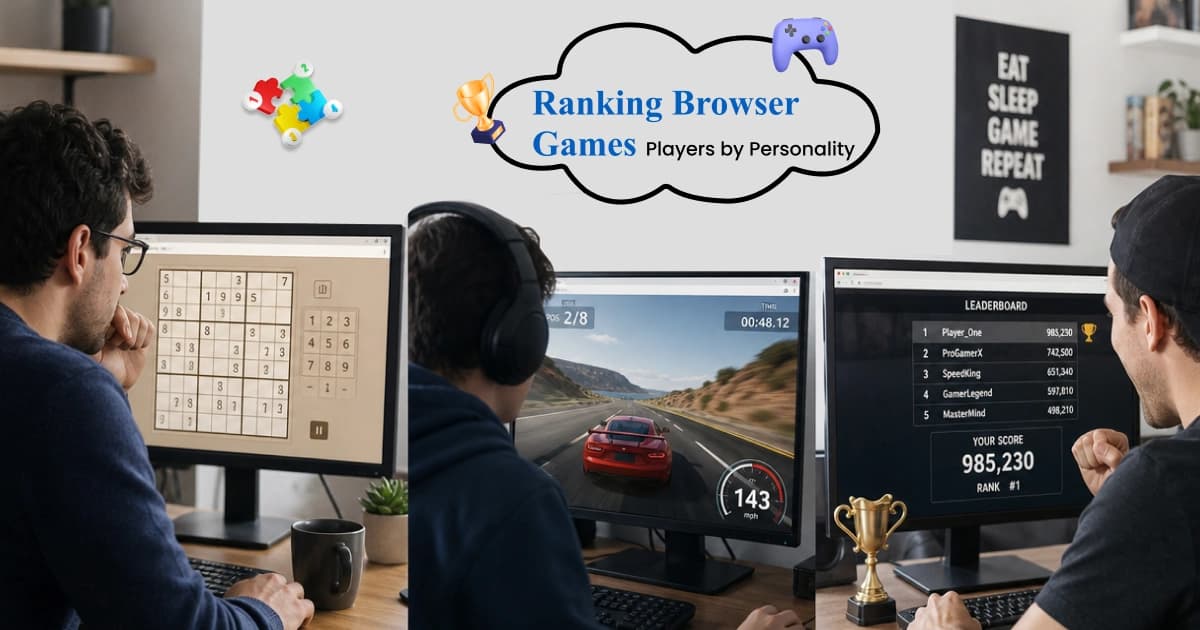
These arguments happen because people experience entertainment differently. One viewer may care most about plot, another about characters, another about emotion, and someone else may simply value how much fun they had while watching.
Personal memories also influence opinions. A movie connected to childhood, friendship, or an important period of life may feel more meaningful than any review score can explain.
Disagreement keeps entertainment culture active. Movies and fictional worlds remain part of conversations because audiences continue interpreting, defending, criticizing, ranking, and reimagining them long after their original release.
Frequently Asked Questions
Why do some movies stay in our minds for so long?
Memorable movies often create strong emotional connections, interesting questions, unforgettable characters, or endings that encourage viewers to keep thinking and talking about the story.
Why do people imagine alternative movie endings?
Alternative endings allow viewers to explore different character choices and outcomes, especially when the original ending feels surprising, frustrating, tragic, or open to interpretation.
Why do horror movie characters make bad decisions?
Horror stories often place characters under pressure with limited information. Their decisions create tension, danger, and situations that audiences enjoy analyzing from a safer perspective.
Why is it fun to imagine superheroes with normal jobs?
Placing extraordinary characters in ordinary situations creates humor by contrasting their powers and personalities with familiar everyday problems.
Why do movies feel different when we rewatch them?
Age, experience, memories, and changing priorities can affect how viewers understand characters and themes, allowing the same movie to feel different at another stage of life.
Why do people enjoy fictional survival scenarios?
Survival scenarios let people imagine making difficult decisions, creating plans, choosing allies, and testing their judgment without facing any real danger.
Why do movies cause so many arguments?
Entertainment is subjective. People value different characters, themes, emotions, performances, and memories, so the same movie can create very different opinions.